


Explore the Rich History, Vibrant Traditions, and Growing Opportunities of Palnadu District
Palnadu District, located in the heart of Andhra Pradesh, is a land of rich history, cultural heritage, and natural beauty. Known for the legendary Battle of Palnadu, the district has played a significant role in shaping the region’s history. Blessed with fertile agricultural lands, scenic landscapes, ancient temples, and vibrant traditions, Palnadu offers a unique blend of heritage and progress.
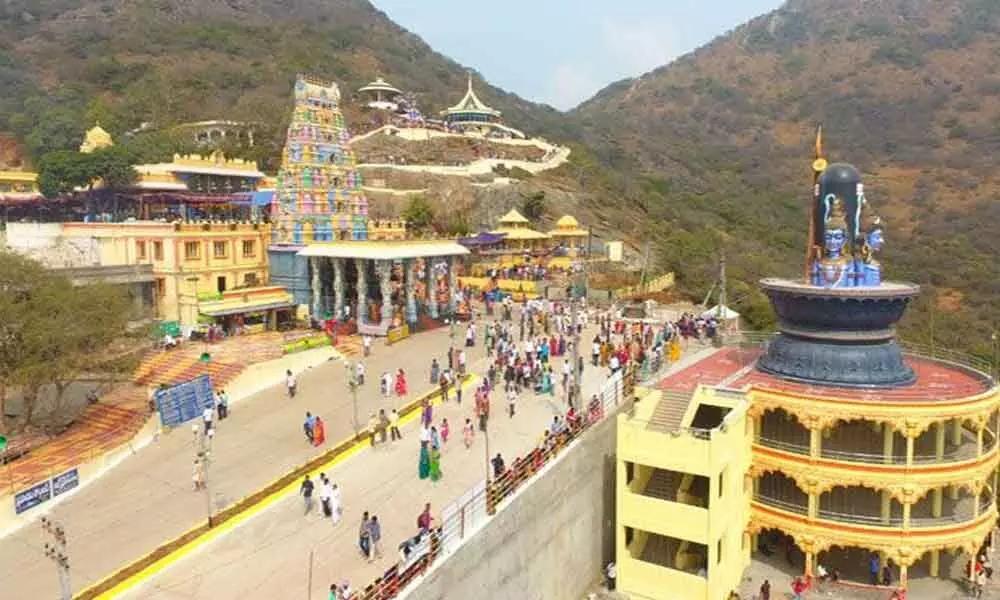
Today, Palnadu is steadily growing through improvements in infrastructure, education, healthcare, agriculture, and digital governance while preserving its historical and cultural identity. From the breathtaking Ethipothala Falls and the sacred Kotappakonda Temple to its welcoming communities and diverse traditions, the district provides countless opportunities for residents, visitors, and investors alike.
This portal serves as your one-stop destination for district information, government services, tourism, news, weather updates, emergency contacts, events, and citizen resources, helping you stay informed and connected with Palnadu.
Electronics
5 Listings

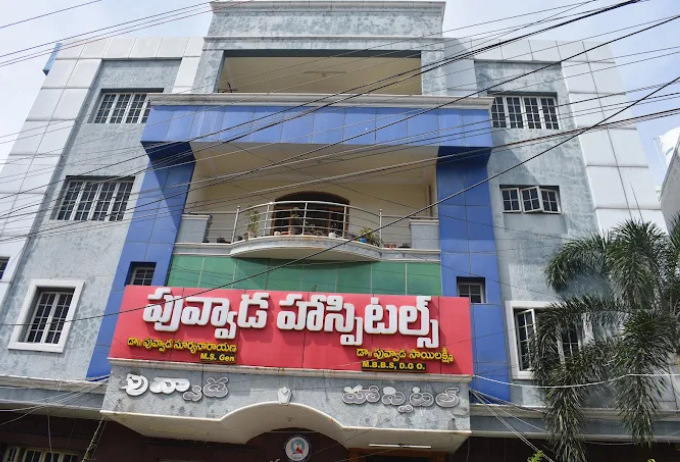
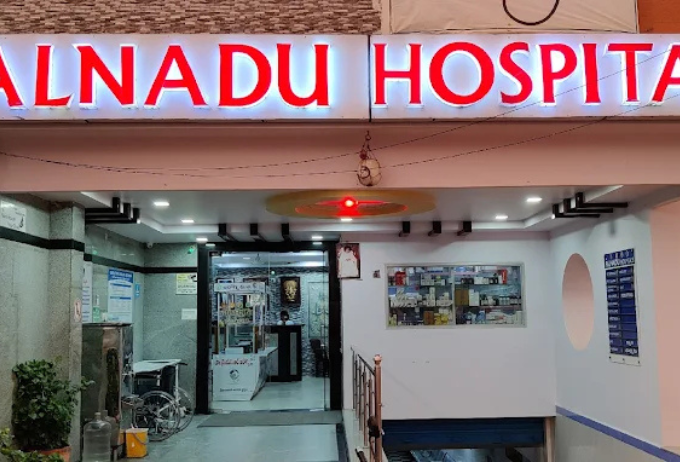
Hospitals
5 Listings

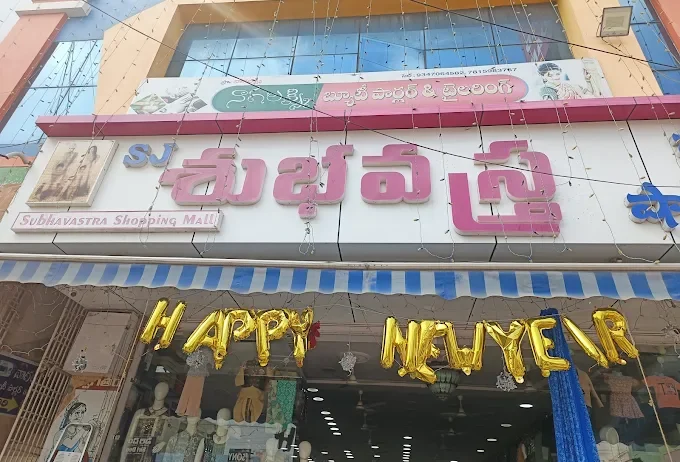
Shopping Malls
5 Listings

Restaurants
5 Listings
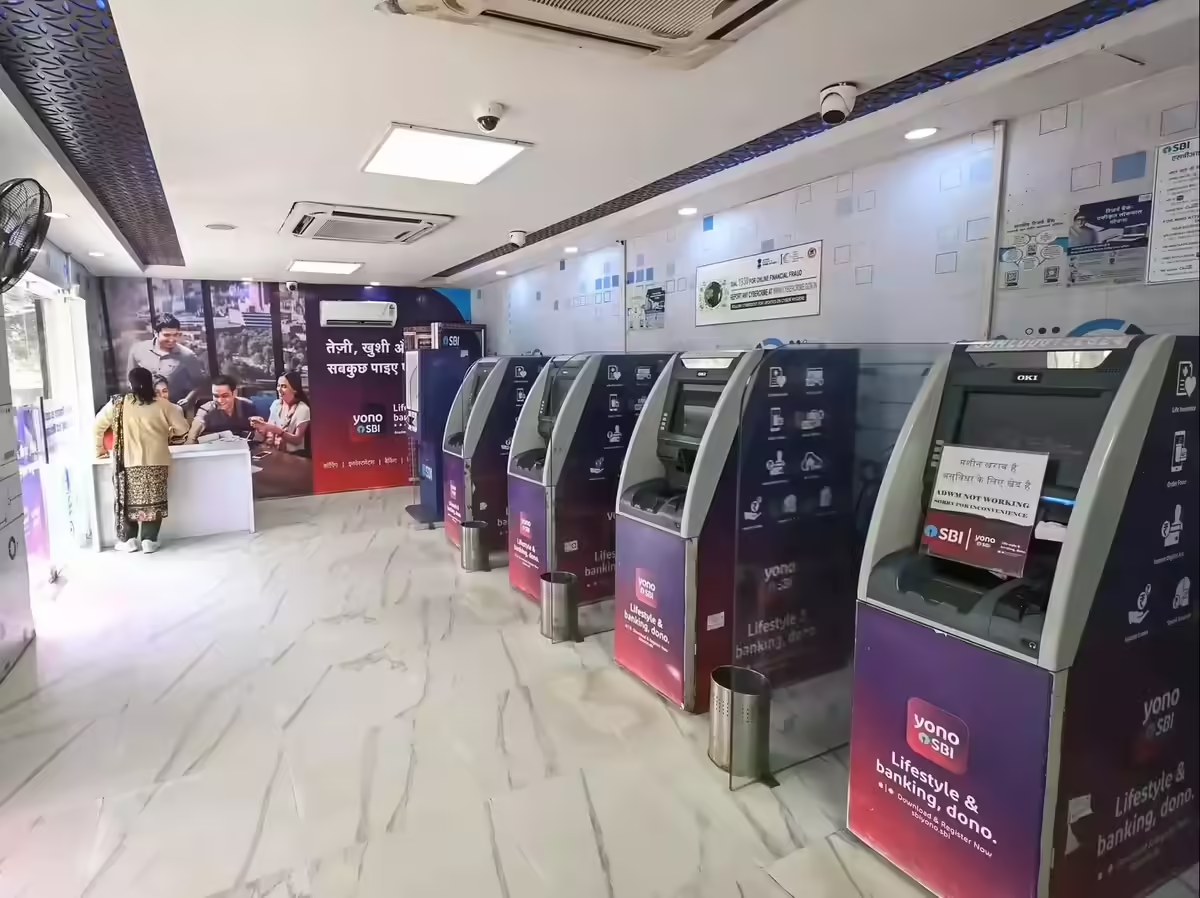
Banks & ATM Services
5 Listings

Education
5 Listings

Entertainment
5 Listings
Electronics
5 Listings
Hospitals
5 Listings
Shopping Malls
5 Listings
Restaurants
5 Listings
Banks & ATM Services
5 Listings
Education
5 Listings
Entertainment
5 Listings
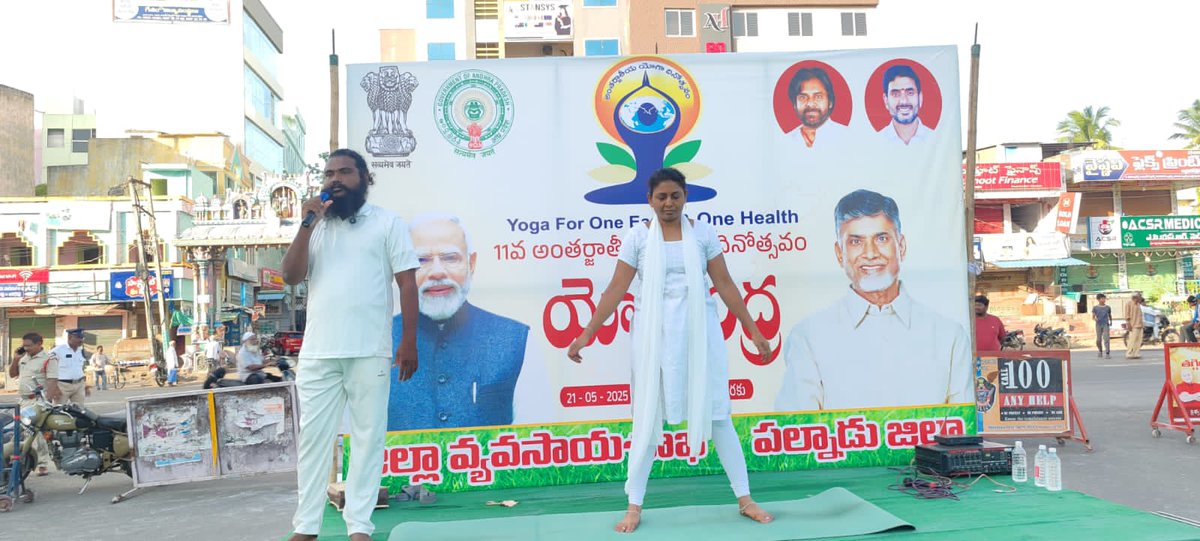
పల్నాడు జిల్లా బెల్లంకొండ మండలం పాపాయపాలెం గ్రామంలో నాటు బాంబులు బయటపడటం స్థానికంగా తీవ్ర కలకలం రేపింది. పాడుబడ్డ ఇంట్లో దొరికిన ఈ బాంబులు గ్రామంలో భయాందోళనలకు...

పల్నాడు జిల్లాలోని సత్తెనపల్లి పట్టణంలో దొంగలు రెచ్చిపోయారు. గోళ్లమూడి వారి వీధిలో ఉన్న నాగలక్ష్మి జ్యువెల్లరీ షాపులో దొంగలు చోరీకి పాల్పడ్డారు. దుకాణం తాళాలు పగలకొట్టి లోపలికి...
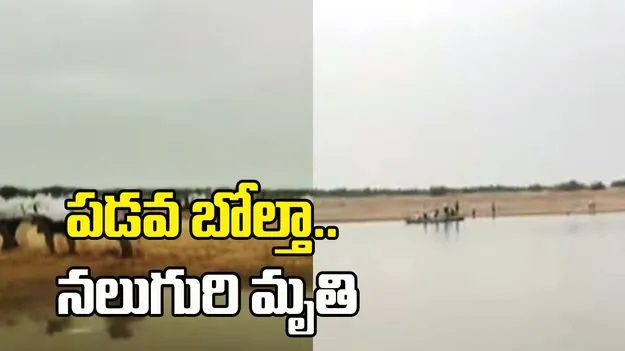
పల్నాడు జిల్లా అచ్చంపేట మండలం కోనూరులో విషాద ఘటన చోటుచేసుకుంది. బంధువుల ఇంట్లో జరిగిన ఓ కార్యక్రమానికి హాజరైన కొందరు వ్యక్తులు నదిలో చిన్న పడవలో విహారయాత్రకు...

ప్రభుత్వ ఉద్యోగులకు ఆంధ్రప్రదేశ్ ప్రభుత్వం రెండు శుభవార్తలు అందించింది. మంగళవారం జరిగిన రాష్ట్ర కేబినెట్ భేటీలో ప్రభుత్వ ఉద్యోగులకు ఎంతో కాలంగా పెండింగ్లో ఉన్న 2 సమస్యలను...
- Floods
- Cyclones
- Heat Waves
- Earthquakes
- Landslides
- Drought
Do’s
- Stay updated with official weather alerts and flood warnings.
- Keep an emergency kit ready with food, water, medicines, and a flashlight.
- Move important documents and valuables to higher places.
- Switch off electricity and gas before leaving your home.
- Evacuate immediately if instructed by authorities.
- Use safe routes and designated evacuation shelters.
- Keep emergency contact numbers readily available.
- Drink only clean or boiled water after a flood.
- Follow instructions issued by the District Administration and Disaster Management Authority.
- Help elderly people, children, and persons with disabilities during evacuation.
Don’ts
- Do not walk or drive through flooded roads.
- Do not touch electrical wires or damaged electrical equipment.
- Do not ignore evacuation warnings or official advisories.
- Do not allow children to play in floodwater.
- Do not consume contaminated food or untreated water.
- Do not spread rumors or unverified information on social media.
- Do not return to your home until authorities declare the area safe.
- Do not attempt to cross fast-flowing streams or rivers.
- Do not leave pets or livestock unattended in flood-prone areas.
- Do not block drainage channels with garbage or debris.
Do’s
- Stay informed through official weather forecasts and cyclone warnings.
- Prepare an emergency kit with food, water, medicines, flashlight, batteries, and important documents.
- Secure doors, windows, and loose outdoor objects before the cyclone arrives.
- Keep mobile phones fully charged and power banks ready.
- Stay indoors in a safe room, away from windows and glass doors.
- Follow evacuation instructions issued by local authorities.
- Keep emergency contact numbers easily accessible.
- Listen to updates from the District Administration and Disaster Management Authority.
- Switch off electricity and gas if advised to evacuate.
- Help elderly people, children, and persons with disabilities during emergencies.
Don’ts
- Do not ignore cyclone warnings or evacuation orders.
- Do not go outside during strong winds or heavy rainfall.
- Do not stand near windows, trees, electric poles, or unstable structures.
- Do not touch fallen power lines or damaged electrical equipment.
- Do not drive through flooded or damaged roads unless absolutely necessary.
- Do not use candles if there is a gas leak risk; use battery-powered lights instead.
- Do not spread rumors or unverified information on social media.
- Do not venture out immediately after the cyclone; wait for official clearance.
- Do not leave pets or livestock without proper shelter.
- Do not panic—stay calm and follow official safety instructions.
Do’s
- Drink plenty of water throughout the day, even if you are not thirsty.
- Wear light-colored, loose-fitting cotton clothes.
- Stay indoors or in shaded areas during peak heat hours (12 PM – 4 PM).
- Use hats, umbrellas, sunglasses, or scarves when going outside.
- Eat light, fresh, and water-rich foods such as fruits and vegetables.
- Keep your home cool by using curtains, fans, or proper ventilation.
- Check on elderly people, children, and individuals with medical conditions.
- Carry a water bottle whenever you travel.
- Follow official weather advisories and heat alerts.
- Seek medical attention immediately if you experience dizziness, fainting, or signs of heatstroke.
Don’ts
- Do not stay in direct sunlight for long periods.
- Do not leave children, elderly people, or pets inside parked vehicles.
- Do not consume alcohol or excessive caffeinated drinks, as they can cause dehydration.
- Do not perform strenuous outdoor activities during peak afternoon hours.
- Do not wear dark-colored or tight-fitting clothing.
- Do not skip meals or ignore signs of dehydration.
- Do not wait to feel thirsty before drinking water.
- Do not eat heavy, oily, or spicy meals during extreme heat.
- Do not ignore symptoms such as headache, nausea, confusion, or excessive fatigue.
- Do not spread unverified heat-related information; rely on official advisories.
Do’s
- Stay calm and Drop, Cover, and Hold On during an earthquake.
- Take shelter under a sturdy table or desk and protect your head and neck.
- Stay indoors until the shaking stops if you are inside a building.
- Move to an open area away from buildings, trees, and power lines if you are outdoors.
- Keep an emergency kit with water, food, medicines, a flashlight, and important documents.
- Turn off gas, electricity, and water supply if it is safe to do so.
- Be prepared for aftershocks and remain alert.
- Follow instructions from local authorities and emergency responders.
- Check yourself and others for injuries and provide first aid if needed.
- Use text messages or emergency communication methods to avoid overloading phone networks.
Don’ts
- Do not panic or run during the shaking.
- Do not use elevators while an earthquake is occurring.
- Do not stand near windows, glass doors, or heavy furniture that could fall.
- Do not light matches or candles if you suspect a gas leak.
- Do not enter damaged buildings until authorities declare them safe.
- Do not touch fallen electrical wires or damaged utility lines.
- Do not block roads needed for emergency rescue operations.
- Do not spread rumors or unverified information on social media.
- Do not ignore aftershocks; move to a safe location if necessary.
- Do not return to your home until it has been inspected if it suffered significant damage.
Do’s
- Stay alert during heavy rainfall in hilly or landslide-prone areas.
- Follow weather forecasts and official warnings from local authorities.
- Evacuate immediately if instructed by emergency officials.
- Move to a safe location away from steep slopes and unstable hillsides.
- Keep an emergency kit with food, water, medicines, a flashlight, and important documents.
- Watch for warning signs such as cracks in the ground, leaning trees, or unusual water flow.
- Inform local authorities if you notice signs of a potential landslide.
- Keep drainage channels clear to reduce water buildup.
- Help children, elderly people, and persons with disabilities during evacuation.
- Return home only after authorities declare the area safe.
Don’ts
- Do not stay near steep slopes during heavy rain.
- Do not ignore evacuation orders or landslide warnings.
- Do not drive or walk through areas affected by landslides.
- Do not cross roads blocked by mud, rocks, or fallen trees.
- Do not stand near damaged buildings, retaining walls, or unstable structures.
- Do not touch fallen electrical wires or damaged utility lines.
- Do not spread rumors or unverified information during emergencies.
- Do not return to affected areas until safety inspections are complete.
- Do not remove debris without proper safety precautions.
- Do not block drainage systems with waste or construction materials.
Do’s
- Use water wisely and avoid unnecessary wastage.
- Harvest and store rainwater whenever possible.
- Follow water conservation guidelines issued by local authorities.
- Repair leaking taps, pipes, and water tanks promptly.
- Use drip irrigation or other water-efficient farming methods.
- Grow drought-resistant crops where suitable.
- Store drinking water safely for emergencies.
- Stay informed about weather forecasts and drought advisories.
- Protect livestock by ensuring adequate water and shade.
- Participate in community water conservation initiatives.
Don’ts
- Do not waste water on non-essential activities.
- Do not leave taps running unnecessarily.
- Do not burn crop residue or dry vegetation, as it increases the risk of fire.
- Do not overuse groundwater without following local regulations.
- Do not ignore early signs of water scarcity.
- Do not pollute lakes, ponds, rivers, or other water sources.
- Do not plant water-intensive crops during severe drought conditions without adequate irrigation.
- Do not spread rumors or misinformation about water availability.
- Do not use drinking water for avoidable purposes such as washing vehicles during water shortages.
- Do not ignore official drought advisories and water restrictions.
- State: Andhra Pradesh
- District: Palnadu District
- District Headquarters: Narasaraopet
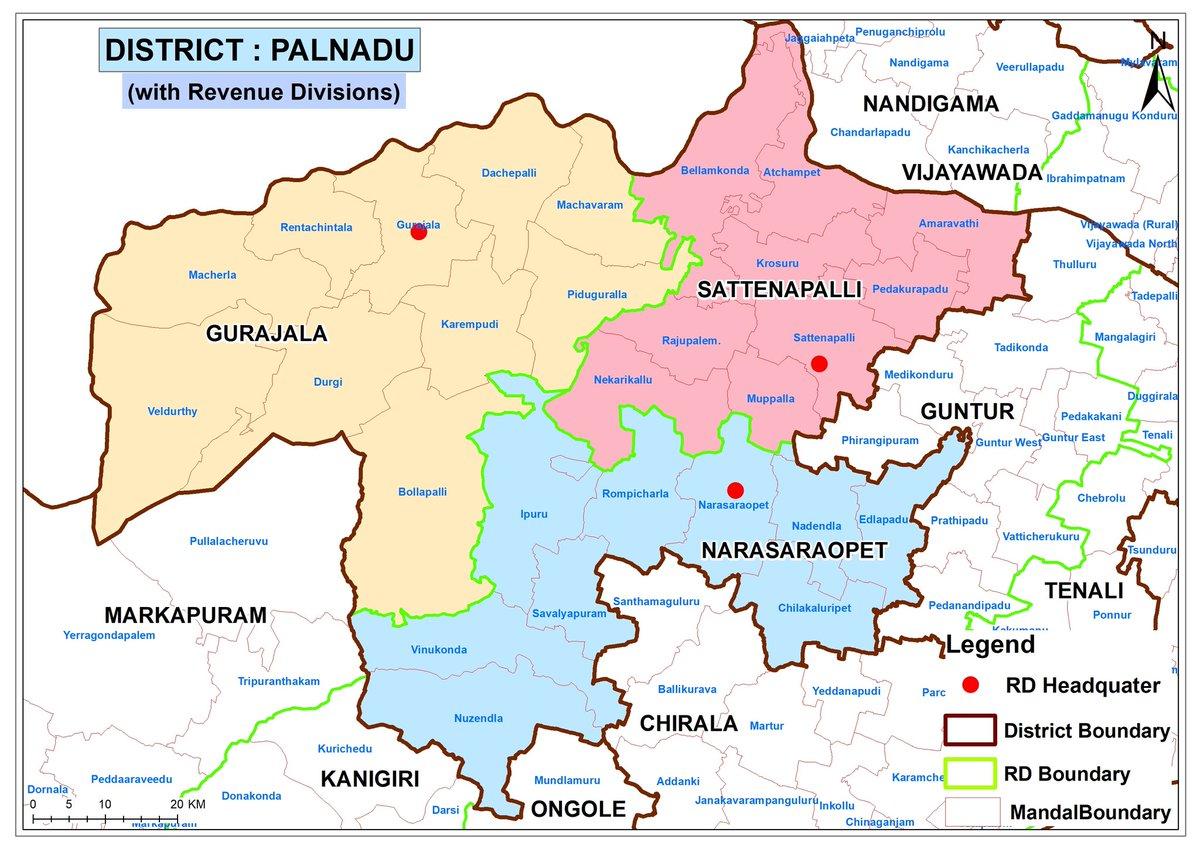
- Revenue Divisions: Narasaraopet, Gurazala & Sattenapalli
- PIN Code: 522601 (Narasaraopet – Main)
- Telephone Code: +91-8647
- Vehicle Registration: AP–39 (Palnadu RTO)
- Official Language: Telugu
- Nearest Major City: Guntur
- Time Zone: IST (UTC +5:30)
- Average Elevation: ~79 meters (259 feet)
- Population (2021 Census): Around 20.42 lakh
- Area: 7,298 km²
- Lok Sabha Constituencies: Narasaraopet & Bapatla (parts of Palnadu District)
Visiting Palnadu was an unforgettable experience. The breathtaking Ethipothala Falls, the peaceful atmosphere of Kotappakonda Temple, and the warm hospitality of the local people made our trip truly memorable. I highly recommend Palnadu to anyone looking for a perfect blend of nature and culture.

Palnadu is rapidly developing with excellent infrastructure and growing business opportunities. The district offers a supportive environment for entrepreneurs while preserving its rich cultural heritage. It's an ideal place for investment and sustainable growth, creating a brighter future for businesses and communities.

The scenic beauty of Palnadu is simply amazing. From lush green landscapes and hills to historical landmarks and waterfalls, every destination has its own charm. It is a wonderful destination for photography, family trips, and nature lovers.

I am proud to call Palnadu my home. The district beautifully combines tradition with modern development. Improved public services, education, healthcare, and digital facilities have made life easier while preserving our unique culture and heritage.