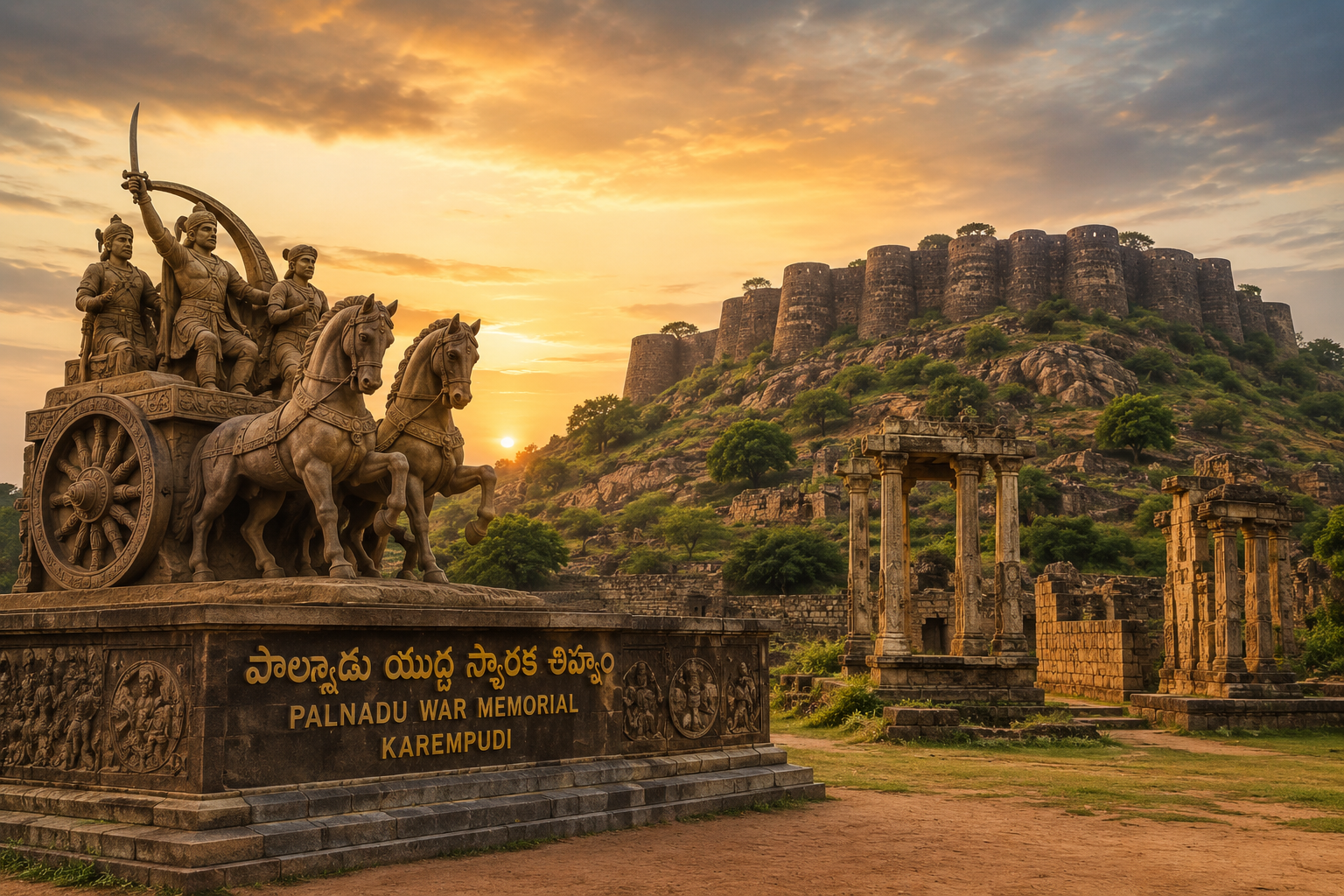
From Ancient Origins to a Glorious Legacy – Discover the Story of Palnadu
When Anuguraju of the Haihayas migrated to the Andhra area from Jabalpur in Madhya Pradesh, he clashed with the Velanati Chodas of Velanadu who ruled from Chandavolu. Velanati Gonkaraju installed Anuguraju as king of Palnadu at Gurajala after giving his daughter Mailama Devi to him in marriage. As Anuguraju was non-Telugu-speaking and had migrated to Andhra area only at that time, and unfamiliar with the local people, Gonkaraju appointed Seelam Dodda Naidu of Recherla Gotra as his minister to guide him. Anugu Raju had 2 more wives, Viravidya Devi and Bhoorama Devi. Anuguraju was however childless and adopted the eldest son of his minister Dodda Naidu. Soon after this Mailama Devi gave birth to a son called Nalagamaraju. Disillusioned with the turn of events Dodda Naidu stepped down as minister of Anuguraju and made his younger son Brahma Naidu as a minister instead. Nalagamaraju became king after Anuguraju.
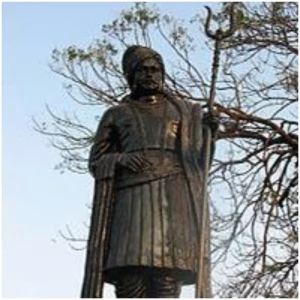
Nalagamaraju had a step brother called Malidevaraju who married a princess from the Kalachuris of Kalyanadurga in Karnataka. Brahma Naidu was highly respected in his time and was a warrior, scholar and reformer. Brahmanaidu captured the fort of Shimoga from the Veera Saivaites on the request of the King of Kalyani. The king in turn gave his daughter Sirimadevi in marriage to Malidevaraju. Brahma Naidu was a staunch Vaishnavaite and founded a new sect called Veera Vaishnavism as against Veera Saivism which was prevalent then and which allowed the Sudras including untouchables. Brahma Naidu allowed equal status to the untouchables. The social reforms like Chapa Koodu (having food sitting side by side on a mat irrespective of class) initiated by Brahma Naidu antagonized the orthodox people of the Palnadu society. Brahma Naidu did not stop with Chapakoodu and in this he was centuries ahead of the present day social reformers. He had people from all castes in his army. In fact, Kannamanedu from the untouchable was treated almost like Brahma Naidu’s own son and was made the commander of his army.
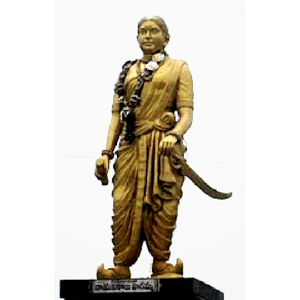
The orthodox people found an able leader in one lady named Nagamma who was known as Nayakuralu. Nagamma joined the court of Nalagamaraju and gained his confidence. Thereafter, she made Nalagamarju displace Brahma Naidu’s men from key positions. The differences in the court and the royal family grew which led to the division of the Kingdom. Nalagamaraju’s half brother Malidevaraju moved to Macherla and set up a separate kingdom there. Brahma Naidu moved to Macherla along with Malidevaraju.
Mutual suspicion between the two kingdoms grew and Nagamma under the pretext of Malideva’s defeat in a cockfight exiled them for 7 years from Palnadu. After the exile Brahma Naidu sent Alaraju the brother in law of Malidevaraju to claim Malidevaraju’s share. The demand was turned down and Alaraju was poisoned in Cherlagudipadu by the orders of Nagamma. His wife Perindevi committed Sati with Alaraju. This enraged Malidevaraju and Kommaraju who was the father of Alaraju. Brahma Naidu then declared war on Gurajala.
From Historic Glory to Modern Development
Palnadu District is a prominent district located in the southwestern part of Andhra Pradesh. Established on 4 April 2022, the district was formed through the reorganization of the erstwhile Guntur District to enhance administrative efficiency and improve public service delivery. The district headquarters is situated in Narasaraopet, which serves as the administrative, commercial, and educational hub of the region. Named after the historic Palnadu region, the district is renowned for its rich cultural heritage, agricultural significance, and historical legacy, particularly the famous Battle of Palnadu.
Palnadu is characterized by diverse landscapes that include fertile agricultural plains, hill ranges, forest areas, and river-fed regions. Agriculture remains the backbone of the local economy, with major crops including paddy, cotton, chili, maize, and pulses. The district also benefits from its strategic location, connecting several important towns and rural communities. With its blend of history, culture, natural resources, and emerging infrastructure, Palnadu District continues to develop as an important administrative and economic region of Andhra Pradesh while preserving its unique identity and heritage.
Efficiently Organized, Seamlessly Governed
Narasaraopet Revenue Division
The administrative heart of Palnadu District, Narasaraopet Revenue Division oversees several mandals and plays a vital role in governance, public services, infrastructure development, and regional administration. As the district headquarters, it serves as a key center for commerce, education, and civic activities.
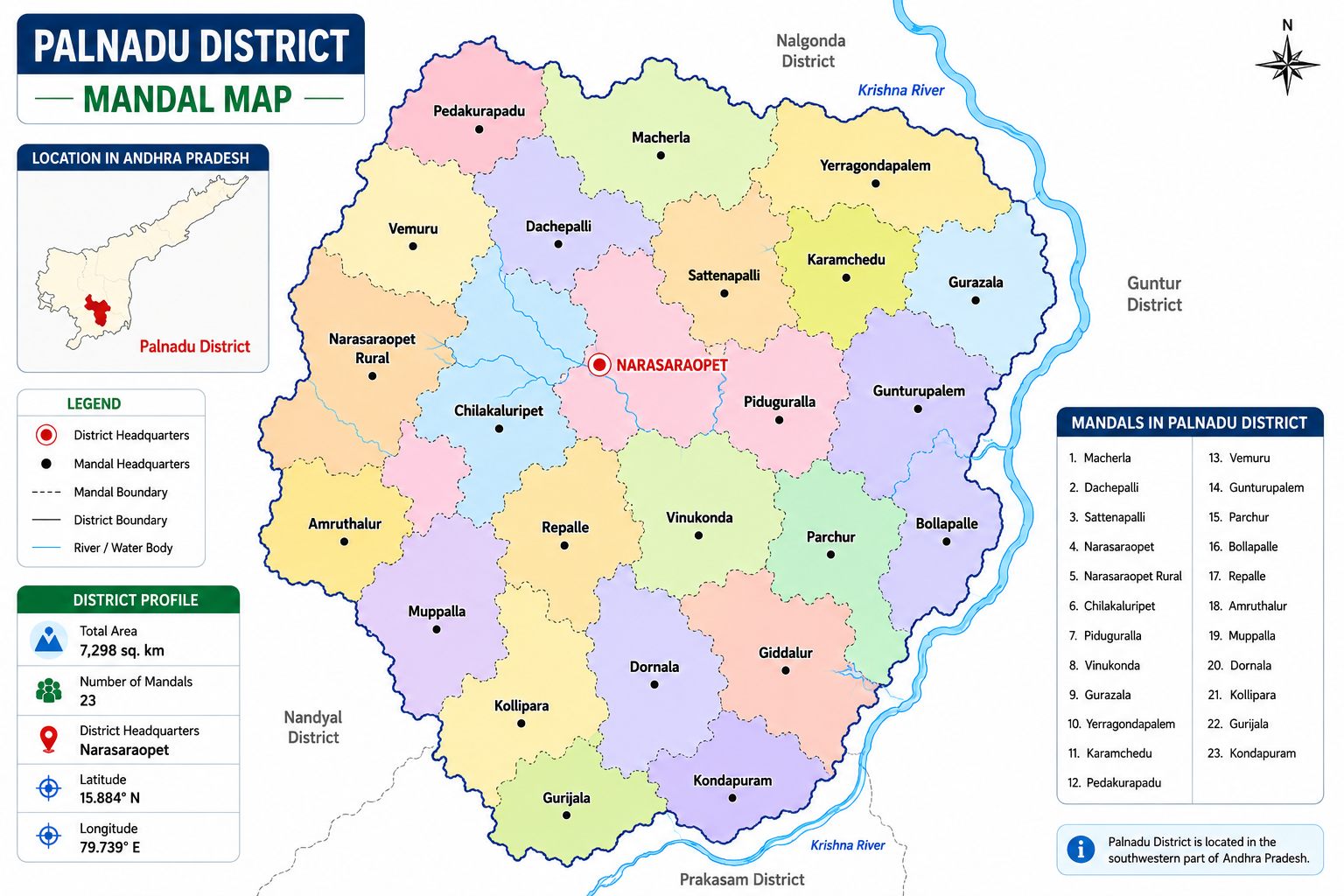
Mandals: Bollapalle, Chilakaluripeta, Edlapadu, Ipur, Nadendla, Narasaraopet, Nuzendla, Rompicherla, Savalyapuram, and Vinukonda Palnadu district.
Gurazala Revenue Division
Known for its historical significance and agricultural prominence, Gurazala Revenue Division manages a network of mandals while supporting rural development, public welfare initiatives, and efficient local administration across the region.
Mandals: Dachepalli, Durgi, Gurajala, Karempudi, Machavaram, Macherla, Piduguralla, Rentachintala, and Veldurthi Palnadu district.
Sattenapalle Revenue Division
A rapidly developing administrative division known for its agricultural productivity, educational institutions, and strategic connectivity within the district. With a strong agricultural base and expanding urban facilities, the division continues to play a significant role in Palnadu's progress and prosperity.
Mandals: Amaravathi, Atchampet, Bellamkonda, Krosuru, Muppalla, Nekarikallu, Pedakurapadu, Rajupalem, and Sattenapalle Palnadu district.
Discover the timeless beauty, rich heritage, and natural wonders that make Palnadu a destination worth exploring
Kotappakonda is the most famous place in the Palnadu area. Trikuta Parvatham is the name of the hill because it has three peaks that can be seen from a distance. The Sri Trikoteswara Swamy Temple sits proudly on top of the hill, soaking up the sun and the beautiful views below. Kotappakonda is a famous place for tourists to go because of its peaceful hill route, traditional temple architecture, and stunning views of the valley and daybreak from the viewpoints. The temple gets a lot of visitors during the Kotappakonda Tirunallu, which is a big festival in Andhra Pradesh. The place has a peaceful vibe that makes it great for any event, like a family vacation, a day of meditation, or taking pictures. The Narasaraopet-Guntur route goes straight to Kotappakonda. The roads are flat, so everyone can move around simply by vehicle, bus, or private cab. A perfect blend of ethereal beauty and deep spirituality.
The Nagarjuna Sagar Dam is a masonry dam built across the Krishna River in the Palnadu district of Andhra Pradesh, India. It is one of the world’s largest masonry dams and a major multipurpose irrigation and hydroelectric project serving both Andhra Pradesh and Telangana. The dam is a key feature of post-independence India’s large-scale river valley development.
Amaravati Stupa is one of the most significant Buddhist monuments in India and a symbol of Andhra Pradesh's rich spiritual heritage. Built between the 2nd century BCE and 3rd century CE on the banks of the Krishna River, the stupa served as a major center for Buddhist learning and pilgrimage. Renowned for its intricate limestone carvings depicting the life and teachings of Buddha, it attracted scholars and devotees from across Asia. Today, the site stands as a testament to the region's artistic excellence, religious importance, and historical legacy, drawing visitors interested in history, culture, and archaeology.
Discover the Best Ways to Reach the Heart of Palnadu
Palnadu District is easily accessible through an extensive network of highways, railway stations, and nearby airports. Whether you're visiting for tourism, business, education, or cultural exploration, reaching Palnadu is convenient and hassle-free. Explore detailed transportation routes, travel options, and connectivity information through our dedicated transportation guide.
A vibrant blend of history, traditions, festivals, and flavors that define the true essence of Palnadu

Historical Heritage
Palnadu is home to a rich historical legacy shaped by ancient kingdoms, legendary rulers, and the famous Palnadu War, which remains a symbol of courage and valor. Its historic sites, monuments, and cultural landmarks continue to preserve the memories of a glorious past for future generations.
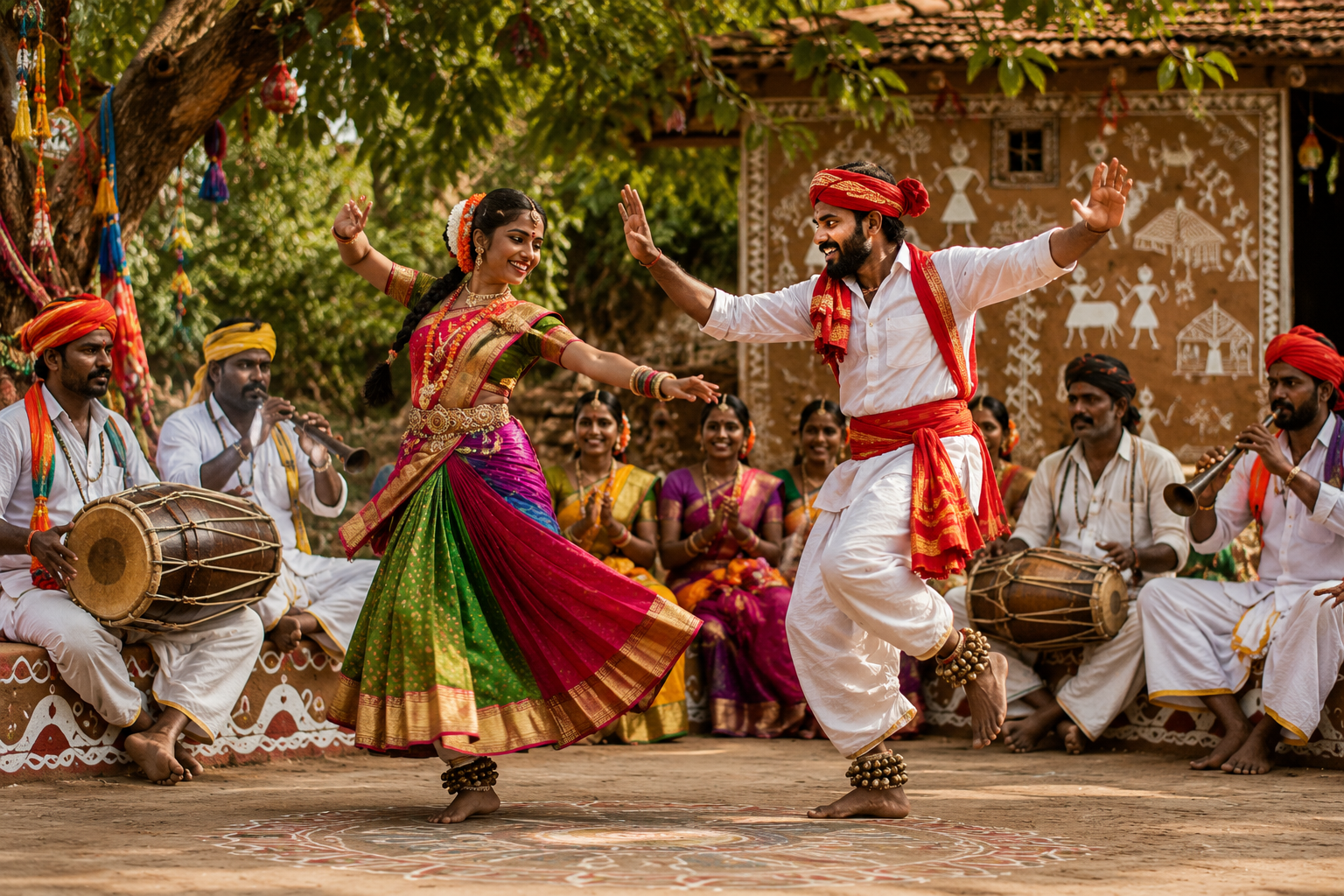
Folk Arts & Traditions
Palnadu's rich cultural heritage comes alive through its vibrant folk arts, traditional dances, music, and storytelling practices. These age-old traditions, passed down through generations, reflect the values, beliefs, and communal spirit of the region. Cultural performances during festivals and special occasions continue to preserve and celebrate the unique identity of Palnadu.
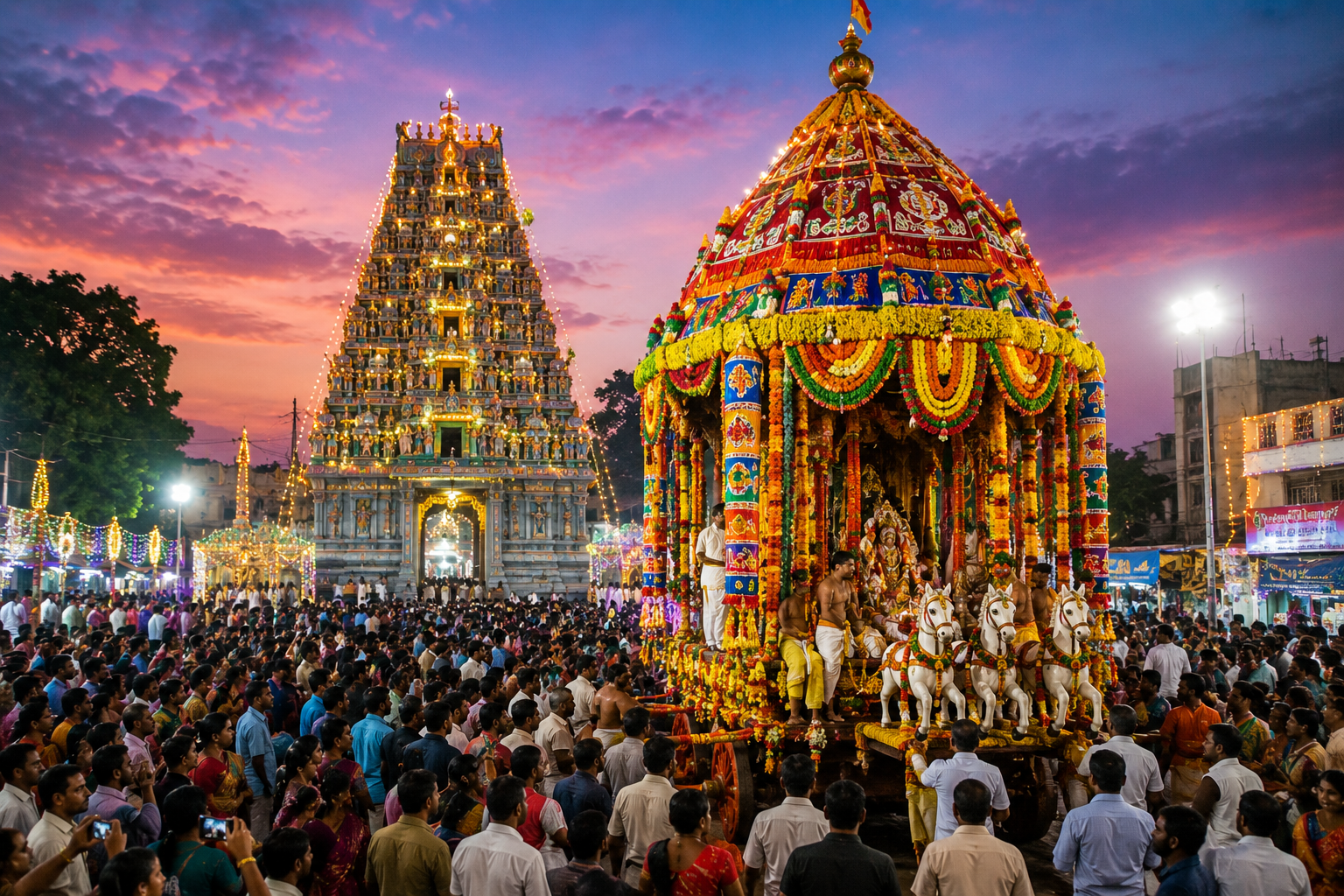
Festivals & Celebrations
Festivals are an integral part of life in Palnadu, bringing communities together in a vibrant display of faith, culture, and tradition. From grand temple festivals and colorful processions to village fairs and seasonal celebrations, these events reflect the region's rich heritage and strong community spirit. The festive atmosphere, marked by music, dance, and rituals, continues to preserve and celebrate Palnadu's cultural identity.
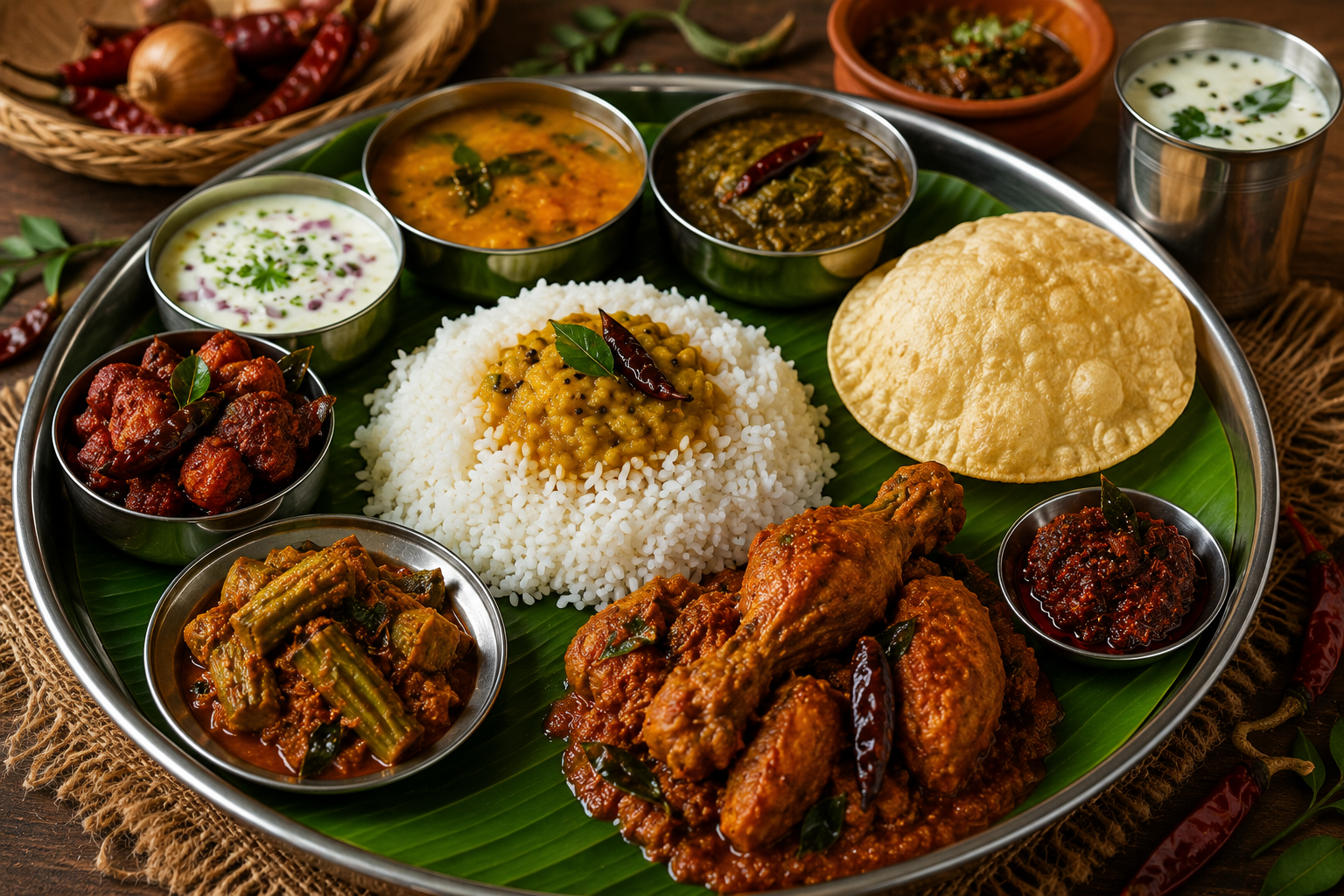
Traditional Cuisine
Palnadu's cuisine is a true reflection of Andhra Pradesh's rich culinary heritage, known for its bold flavors, aromatic spices, and authentic recipes. From spicy biryanis and flavorful gongura dishes to traditional village delicacies, the region offers a diverse and memorable dining experience. These time-honored recipes continue to bring families and communities together, preserving the unique taste and culture of Palnadu.
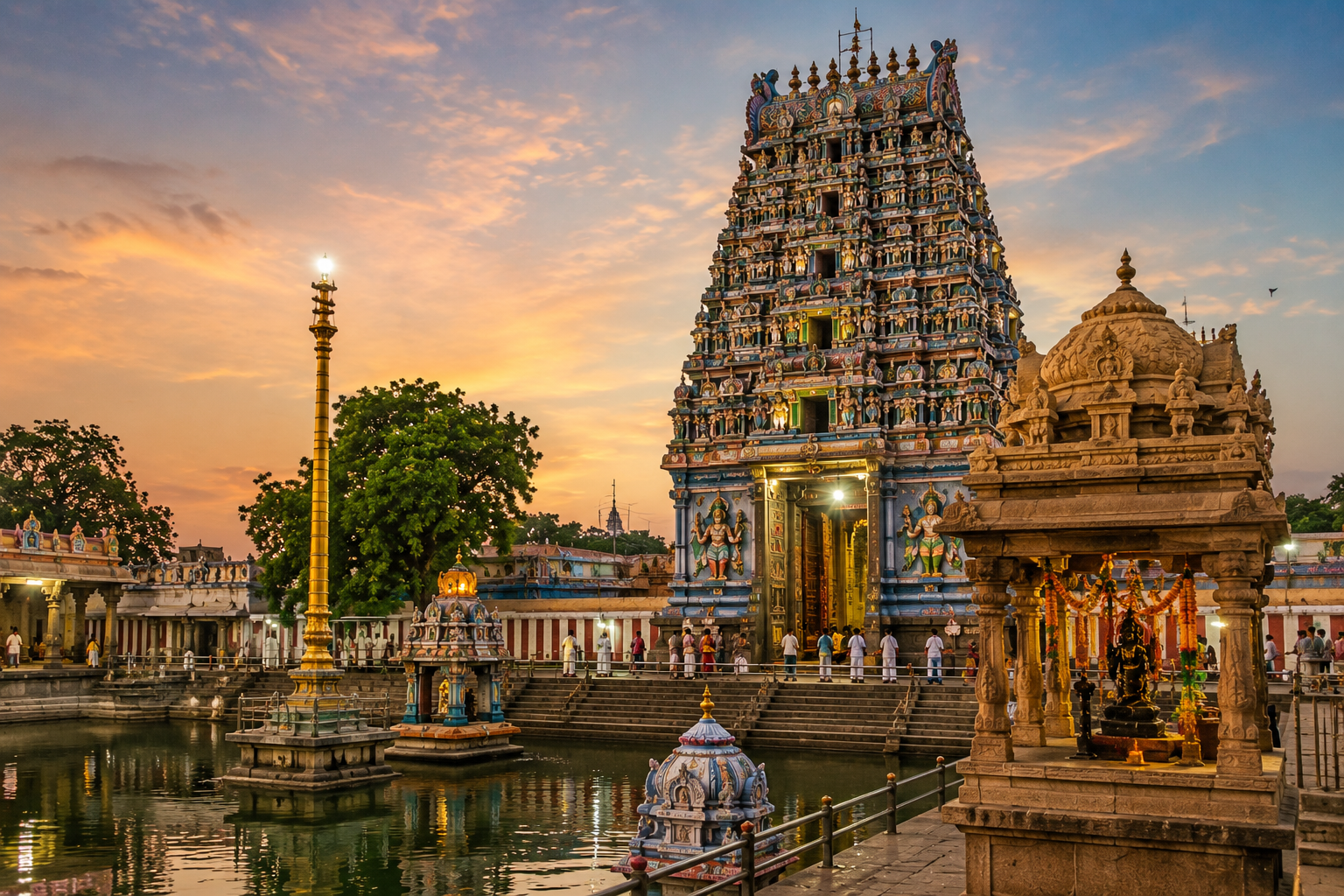
Temples & Sacred Sites
Palnadu is home to numerous ancient temples and sacred sites that reflect the region's deep spiritual heritage and architectural excellence. These revered landmarks attract devotees and visitors alike, offering a glimpse into centuries-old traditions, religious practices, and cultural values. The temples continue to serve as important centers of faith, community gatherings, and cultural preservation.

Legends & Folklore
Palnadu is a land of legendary tales and heroic folklore that have been passed down through generations. Stories of Brahma Naidu, the valor of the Palnadu warriors, and the historic Palnadu War continue to inspire pride and cultural identity across the region. These timeless narratives, preserved through folk songs, storytelling, and local traditions, form an integral part of Palnadu's rich heritage.
Where fertile lands and natural beauty define Palnadu
Geographical Quick Facts
Total Area: 7,298 sq. km
District Headquarters: Narasaraopet
Location: Southwestern region of Andhra Pradesh
Climate: Tropical Semi-Arid
Primary Land Use: Agriculture
Major River: Krishna River
Terrain: Fertile Plains, Hills & Forest Regions
Natural Features: Agricultural Fields, Forest Areas & River Valleys
Surrounding Regions
North: Nalgonda District
East: Guntur District
South: Prakasam District
West: Nandyal District
A vibrant and diverse population that drives the district’s growth and cultural richness
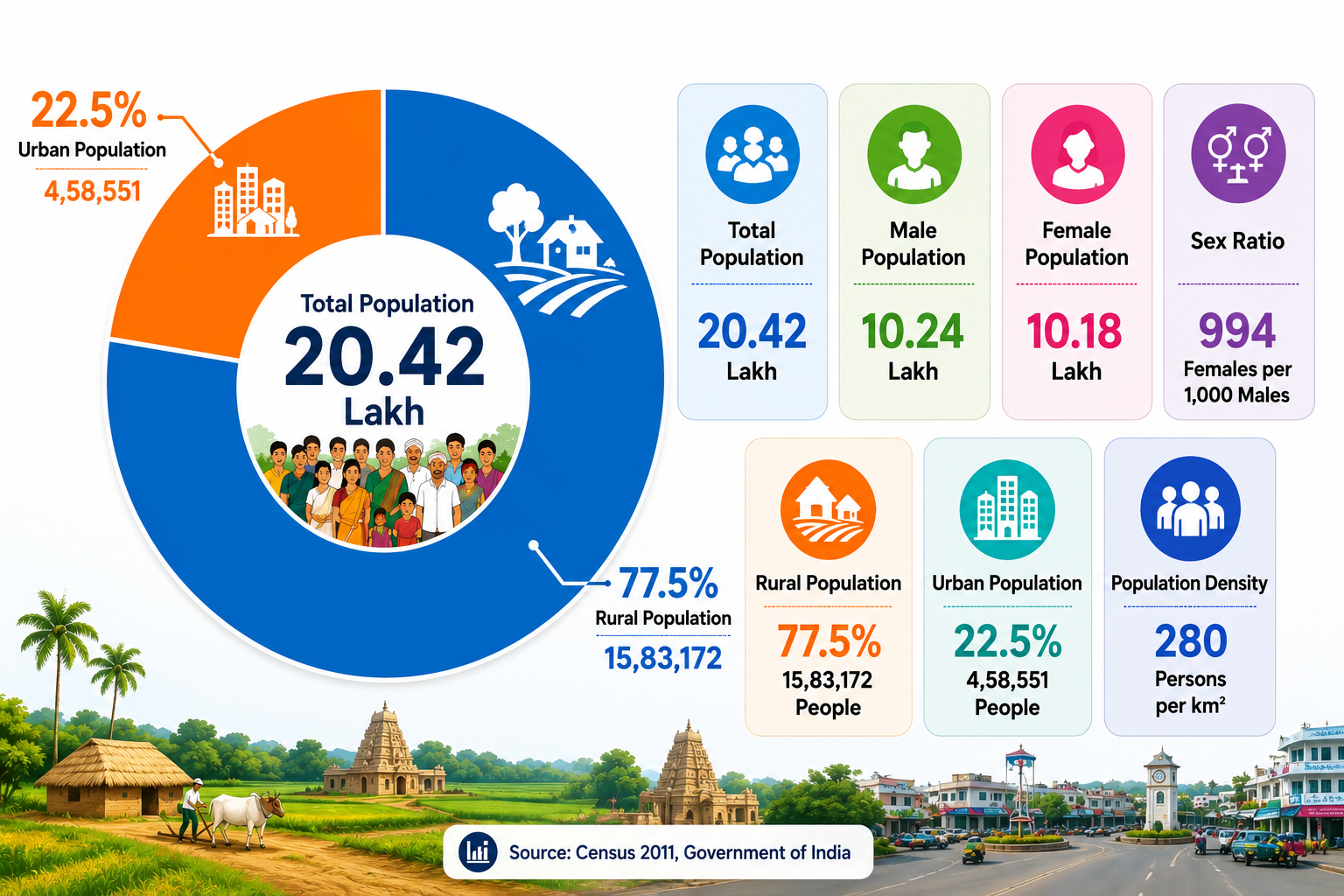
Palnadu District is home to over 20.42 lakh residents, reflecting a vibrant blend of rural traditions and urban development. The district has a balanced population structure with 10.24 lakh males and 10.18 lakh females, resulting in a sex ratio of 994 females per 1,000 males.
Agriculture remains the backbone of the district, with 77.5% of the population residing in rural areas, while 22.5% live in urban centers. Telugu is the primary language spoken throughout the district, contributing to the region’s rich cultural identity and heritage.