
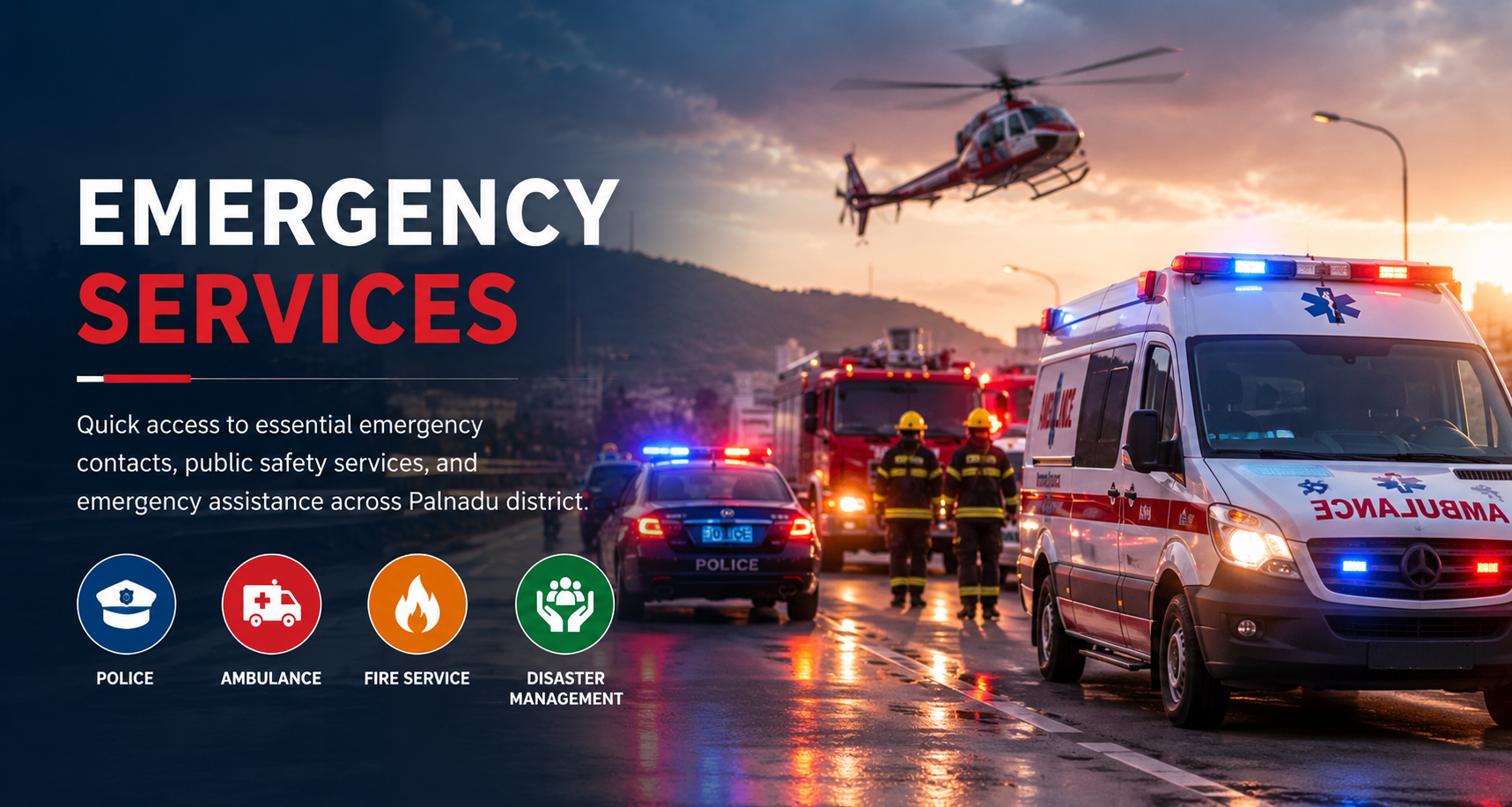
Emergency Helpline Numbers
Ambulance
108
Police
100
Fire
101
Women Helpline
181
Child Helpline
1098
Electricity
1912
Essential Safety Guidelines
Fire Safety
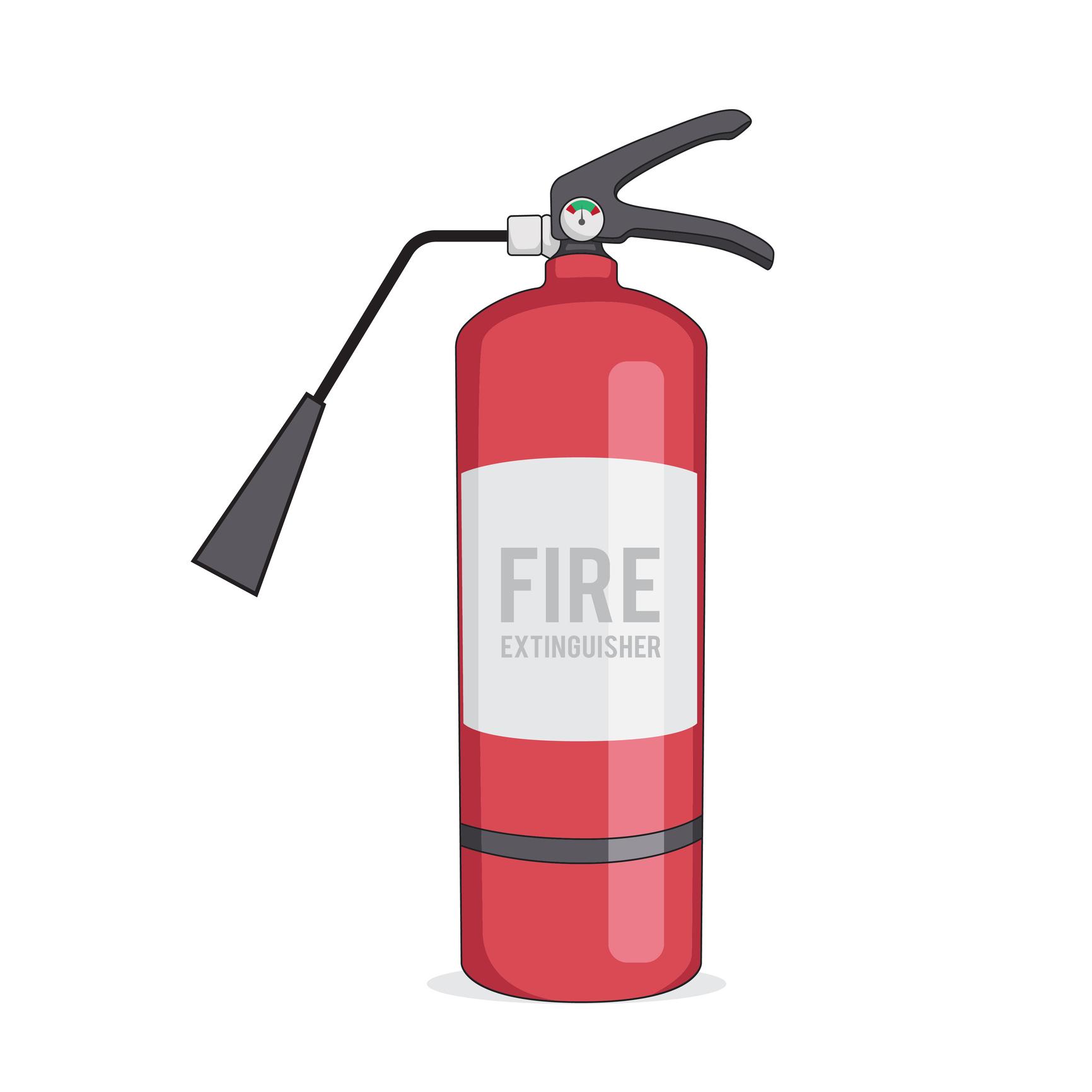
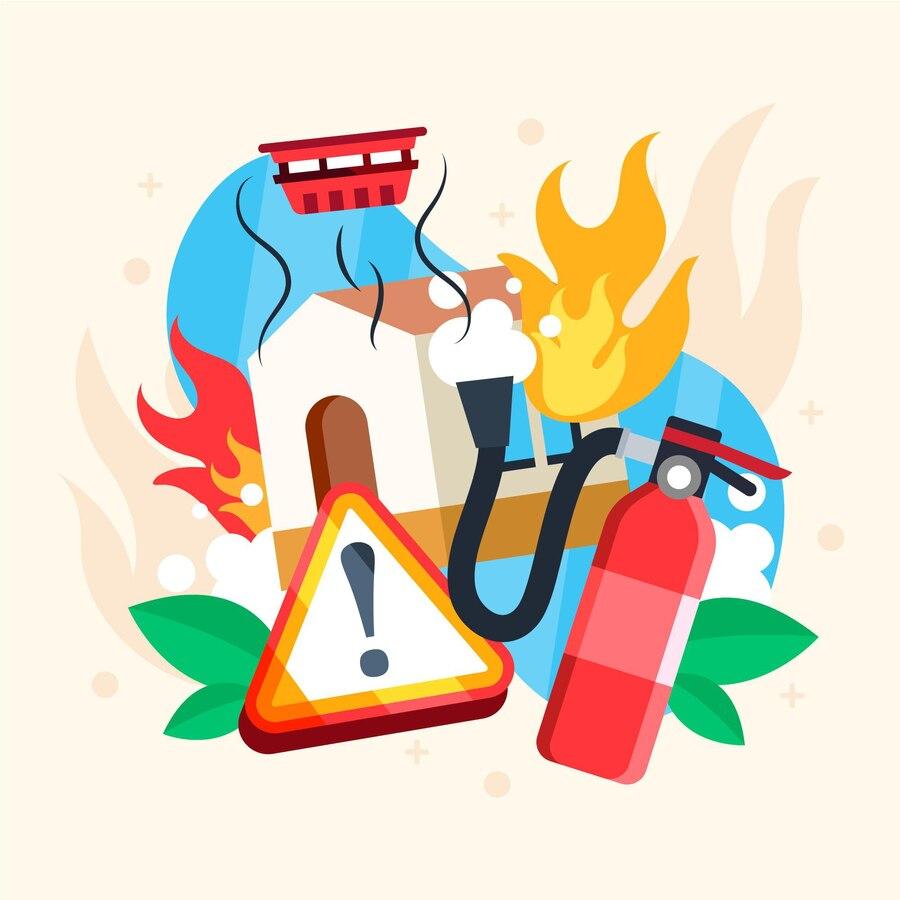
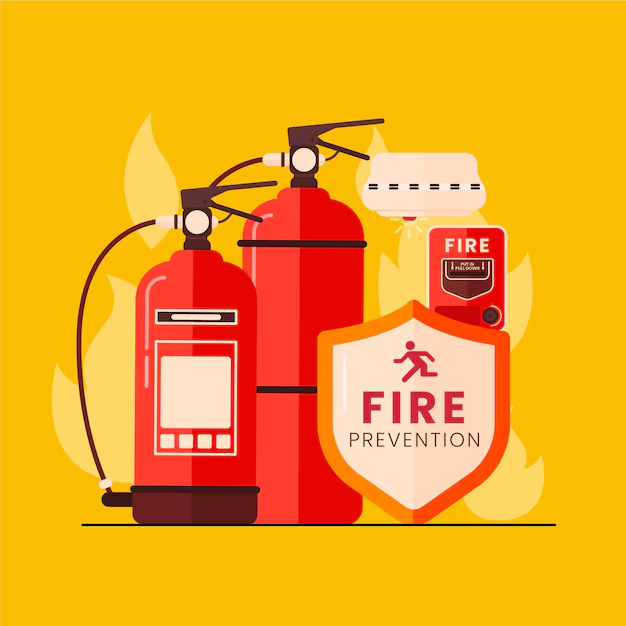
Fire Prevention Tips
- Never leave cooking unattended, especially when using gas stoves or deep frying.
- Keep matches, lighters, and flammable liquids away from children.
- Avoid overloading electrical sockets and extension boards.
- Switch off electrical appliances when they are not in use.
- Regularly inspect electrical wiring and replace damaged cables immediately.
- Store LPG cylinders in a well-ventilated area and check for gas leaks periodically.
What to Do During a Fire
- Stay calm and do not panic.
- Raise the alarm and warn everyone nearby.
- Evacuate the building immediately using the nearest safe exit.
- Do not use elevators; always use stairways.
- Crawl low under smoke to avoid inhaling toxic fumes.
- Close doors behind you to slow the spread of fire.
- If your clothes catch fire, Stop, Drop, and Roll until the flames are extinguished.
Using a Fire Extinguisher (PASS Method)
Remember the PASS technique:
- P – Pull the safety pin.
- A – Aim the nozzle at the base of the fire.
- S – Squeeze the handle firmly.
- S – Sweep the nozzle from side to side until the fire is out.
Only attempt to extinguish small fires if it is safe to do so.
Things You Should Never Do
- Do not throw water on electrical or oil fires.
- Do not re-enter a burning building for belongings.
- Do not block emergency exits.
- Do not ignore the smell of gas or visible smoke.
- Do not hide during a fire; evacuate immediately.
Fire Safety Essentials
Keep these items ready:
- Fire extinguisher
- Smoke detector
- First aid kit
- Emergency flashlight
- Emergency contact numbers
- Fire blanket (if available)
Electrical Safety
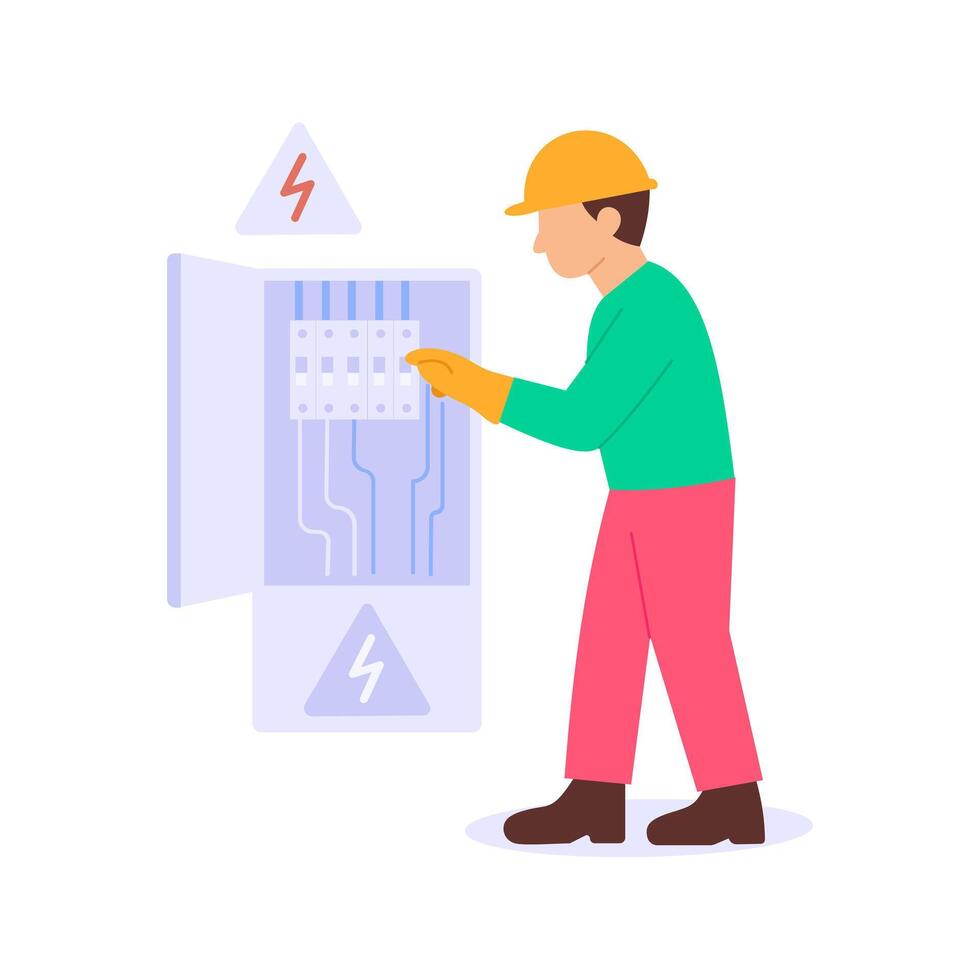
Electrical Safety Tips
- Never overload electrical outlets or extension boards.
- Replace damaged or frayed electrical cords immediately.
- Keep electrical appliances away from water and wet surfaces.
- Always switch off and unplug appliances when they are not in use.
- Use only certified electrical equipment and accessories.
- Keep children away from electrical sockets and exposed wiring.
- Install safety covers on unused electrical outlets.
What to Do During an Electrical Emergency
- Turn off the main power supply if it is safe to do so.
- Do not touch a person who is in contact with a live electrical source. Disconnect the power first or use a dry, non-conductive object such as a wooden stick to separate them from the source.
- Keep away from fallen power lines and report them immediately to the electricity department.
- If an electrical fire occurs, use a Class C fire extinguisher or a dry chemical extinguisher. Never use water on electrical fires.
- Call emergency services immediately if someone is injured or the situation is dangerous.
Things You Should Never Do
- Do not touch electrical switches or appliances with wet hands.
- Do not insert metal objects into electrical sockets.
- Do not run electrical cords under carpets or rugs.
- Do not attempt to repair electrical wiring unless you are qualified.
- Do not ignore sparks, burning smells, or flickering lights. These may indicate a serious electrical problem.
Home Electrical Safety Checklist
- ✔ Test circuit breakers and safety switches regularly.
- ✔ Keep appliances clean and well-maintained.
- ✔ Ensure electrical installations are carried out by licensed professionals.
- ✔ Keep flammable materials away from electrical equipment.
- ✔ Know the location of your home’s main power switch.
Protect Your Family
- Teach children about the dangers of electricity.
- Keep emergency contact numbers easily accessible.
- Inspect electrical wiring and appliances regularly.
- Create a family emergency plan for electrical fires or power failures.
Road Safety
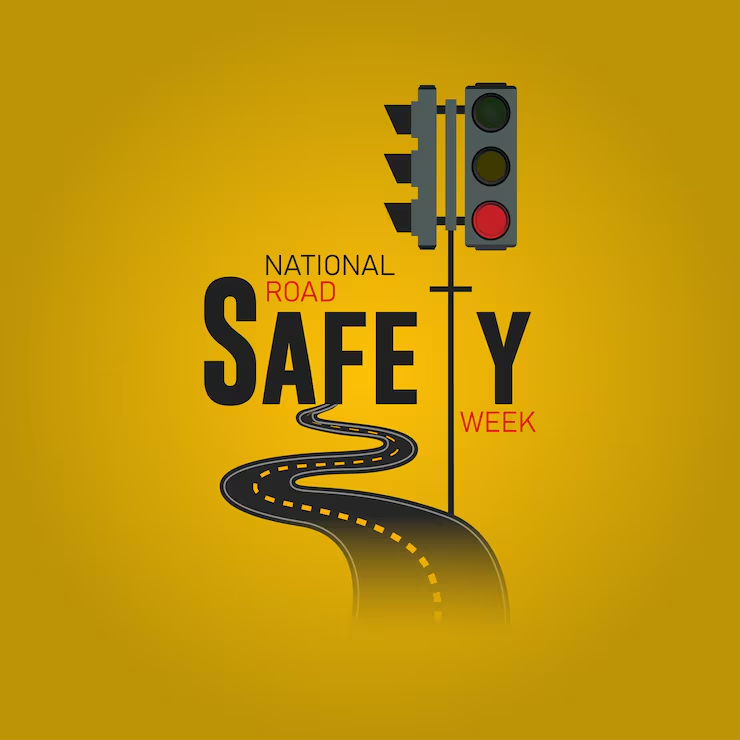
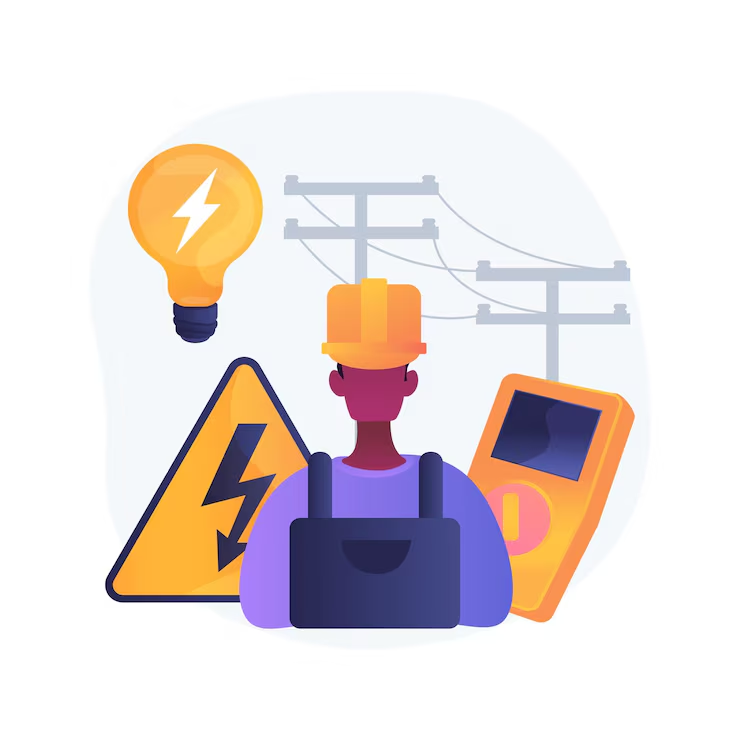
Road Safety Tips
- Always wear a seat belt while driving or travelling in a car.
- Wear a certified helmet when riding a two-wheeler.
- Follow speed limits and traffic signals at all times.
- Avoid using mobile phones while driving or crossing the road.
- Maintain a safe distance from the vehicle ahead.
- Use designated pedestrian crossings and footpaths whenever available.
- Keep your vehicle well-maintained and check brakes, lights, and tyres regularly.
What to Do During a Road Accident
- Stay calm and ensure your own safety before helping others.
- Move to a safe location if possible without causing further injury.
- Call emergency services immediately and provide the exact location.
- Offer basic first aid only if you are trained to do so.
- Do not move seriously injured persons unless there is an immediate danger, such as fire or traffic.
- Cooperate with emergency responders and follow their instructions.
Things You Should Never Do
- Do not drive under the influence of alcohol or drugs.
- Do not exceed the speed limit or drive recklessly.
- Do not ignore traffic signals or road signs.
- Do not overload vehicles beyond their permitted capacity.
- Do not drive when you are tired or sleepy.
- Do not stop in the middle of the road except in emergencies.
Safety Tips for Pedestrians & Children
- Cross the road only at zebra crossings or designated pedestrian crossings.
- Look right, left, and right again before crossing.
- Teach children basic road safety rules from an early age.
- Hold a child’s hand while crossing busy roads.
- Wear bright or reflective clothing when walking at night.
Two-Wheeler Safety
- Always wear a helmet that meets safety standards.
- Ensure both rider and pillion passenger wear helmets.
- Avoid carrying more passengers than allowed.
- Use indicators before turning or changing lanes.
- Ride at a safe speed, especially during rain or poor visibility.
Medical Emergency
Common Medical Emergencies
Medical emergencies may include:
- Heart attack or chest pain
- Difficulty breathing or choking
- Stroke symptoms
- Severe bleeding
- Unconsciousness or fainting
- Burns and electric shock
- Seizures
- Poisoning
- Severe allergic reactions
- Serious fractures or head injuries
What to Do During a Medical Emergency
- Stay calm and quickly assess the situation.
- Call 108 (Ambulance) or 112 (National Emergency) immediately.
- Check if the person is conscious and breathing.
- Provide basic first aid only if you are trained to do so.
- Keep the injured or ill person comfortable until medical help arrives.
- Share your exact location and explain the patient’s condition clearly with emergency responders.
Basic First Aid Tips
- Apply direct pressure to control severe bleeding.
- Cool minor burns with clean running water for at least 20 minutes.
- Place an unconscious but breathing person in the recovery position.
- If someone is choking, perform first aid techniques only if you know how.
- If a person has stopped breathing and you are trained, begin CPR while waiting for emergency services.
Things You Should Never Do
- Do not panic or crowd around the injured person.
- Do not move someone with a suspected head, neck, or spinal injury unless there is immediate danger.
- Do not give food, water, or medicine to an unconscious person.
- Do not delay calling for professional medical help.
- Do not attempt treatments beyond your level of training.
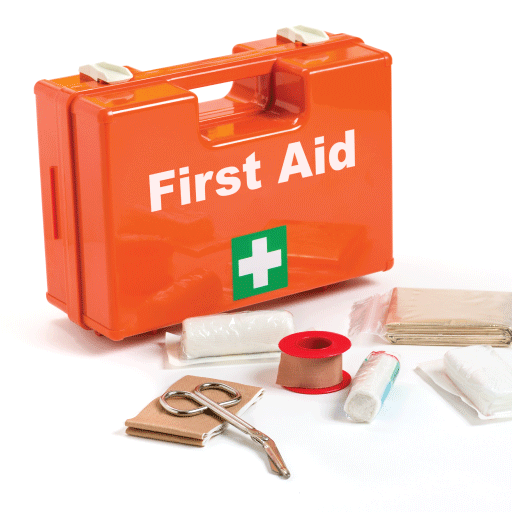
Keep an Emergency First Aid Kit Ready
Every home, school, office, and vehicle should have a basic first aid kit containing:
- Adhesive bandages and sterile gauze
- Antiseptic solution or wipes
- Medical adhesive tape
- Scissors and tweezers
- Disposable gloves
- Digital thermometer
- Pain relief medication (as advised by a healthcare professional)
- Emergency contact numbers
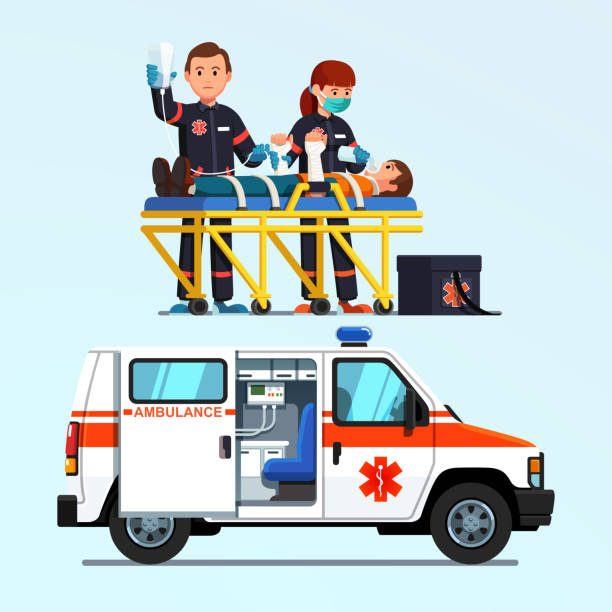
Disaster Management
- Floods
- Cyclones
- Heat Waves
- Earthquakes
- Landslides
- Drought
Do’s
- Stay updated with official weather alerts and flood warnings.
- Keep an emergency kit ready with food, water, medicines, and a flashlight.
- Move important documents and valuables to higher places.
- Switch off electricity and gas before leaving your home.
- Evacuate immediately if instructed by authorities.
- Use safe routes and designated evacuation shelters.
- Keep emergency contact numbers readily available.
- Drink only clean or boiled water after a flood.
- Follow instructions issued by the District Administration and Disaster Management Authority.
- Help elderly people, children, and persons with disabilities during evacuation.
Don’ts
- Do not walk or drive through flooded roads.
- Do not touch electrical wires or damaged electrical equipment.
- Do not ignore evacuation warnings or official advisories.
- Do not allow children to play in floodwater.
- Do not consume contaminated food or untreated water.
- Do not spread rumors or unverified information on social media.
- Do not return to your home until authorities declare the area safe.
- Do not attempt to cross fast-flowing streams or rivers.
- Do not leave pets or livestock unattended in flood-prone areas.
- Do not block drainage channels with garbage or debris.
Do’s
- Stay informed through official weather forecasts and cyclone warnings.
- Prepare an emergency kit with food, water, medicines, flashlight, batteries, and important documents.
- Secure doors, windows, and loose outdoor objects before the cyclone arrives.
- Keep mobile phones fully charged and power banks ready.
- Stay indoors in a safe room, away from windows and glass doors.
- Follow evacuation instructions issued by local authorities.
- Keep emergency contact numbers easily accessible.
- Listen to updates from the District Administration and Disaster Management Authority.
- Switch off electricity and gas if advised to evacuate.
- Help elderly people, children, and persons with disabilities during emergencies.
Don’ts
- Do not ignore cyclone warnings or evacuation orders.
- Do not go outside during strong winds or heavy rainfall.
- Do not stand near windows, trees, electric poles, or unstable structures.
- Do not touch fallen power lines or damaged electrical equipment.
- Do not drive through flooded or damaged roads unless absolutely necessary.
- Do not use candles if there is a gas leak risk; use battery-powered lights instead.
- Do not spread rumors or unverified information on social media.
- Do not venture out immediately after the cyclone; wait for official clearance.
- Do not leave pets or livestock without proper shelter.
- Do not panic—stay calm and follow official safety instructions.
Do’s
- Drink plenty of water throughout the day, even if you are not thirsty.
- Wear light-colored, loose-fitting cotton clothes.
- Stay indoors or in shaded areas during peak heat hours (12 PM – 4 PM).
- Use hats, umbrellas, sunglasses, or scarves when going outside.
- Eat light, fresh, and water-rich foods such as fruits and vegetables.
- Keep your home cool by using curtains, fans, or proper ventilation.
- Check on elderly people, children, and individuals with medical conditions.
- Carry a water bottle whenever you travel.
- Follow official weather advisories and heat alerts.
- Seek medical attention immediately if you experience dizziness, fainting, or signs of heatstroke.
Don’ts
- Do not stay in direct sunlight for long periods.
- Do not leave children, elderly people, or pets inside parked vehicles.
- Do not consume alcohol or excessive caffeinated drinks, as they can cause dehydration.
- Do not perform strenuous outdoor activities during peak afternoon hours.
- Do not wear dark-colored or tight-fitting clothing.
- Do not skip meals or ignore signs of dehydration.
- Do not wait to feel thirsty before drinking water.
- Do not eat heavy, oily, or spicy meals during extreme heat.
- Do not ignore symptoms such as headache, nausea, confusion, or excessive fatigue.
- Do not spread unverified heat-related information; rely on official advisories.
Do’s
- Stay calm and Drop, Cover, and Hold On during an earthquake.
- Take shelter under a sturdy table or desk and protect your head and neck.
- Stay indoors until the shaking stops if you are inside a building.
- Move to an open area away from buildings, trees, and power lines if you are outdoors.
- Keep an emergency kit with water, food, medicines, a flashlight, and important documents.
- Turn off gas, electricity, and water supply if it is safe to do so.
- Be prepared for aftershocks and remain alert.
- Follow instructions from local authorities and emergency responders.
- Check yourself and others for injuries and provide first aid if needed.
- Use text messages or emergency communication methods to avoid overloading phone networks.
Don’ts
- Do not panic or run during the shaking.
- Do not use elevators while an earthquake is occurring.
- Do not stand near windows, glass doors, or heavy furniture that could fall.
- Do not light matches or candles if you suspect a gas leak.
- Do not enter damaged buildings until authorities declare them safe.
- Do not touch fallen electrical wires or damaged utility lines.
- Do not block roads needed for emergency rescue operations.
- Do not spread rumors or unverified information on social media.
- Do not ignore aftershocks; move to a safe location if necessary.
- Do not return to your home until it has been inspected if it suffered significant damage.
Do’s
- Stay alert during heavy rainfall in hilly or landslide-prone areas.
- Follow weather forecasts and official warnings from local authorities.
- Evacuate immediately if instructed by emergency officials.
- Move to a safe location away from steep slopes and unstable hillsides.
- Keep an emergency kit with food, water, medicines, a flashlight, and important documents.
- Watch for warning signs such as cracks in the ground, leaning trees, or unusual water flow.
- Inform local authorities if you notice signs of a potential landslide.
- Keep drainage channels clear to reduce water buildup.
- Help children, elderly people, and persons with disabilities during evacuation.
- Return home only after authorities declare the area safe.
Don’ts
- Do not stay near steep slopes during heavy rain.
- Do not ignore evacuation orders or landslide warnings.
- Do not drive or walk through areas affected by landslides.
- Do not cross roads blocked by mud, rocks, or fallen trees.
- Do not stand near damaged buildings, retaining walls, or unstable structures.
- Do not touch fallen electrical wires or damaged utility lines.
- Do not spread rumors or unverified information during emergencies.
- Do not return to affected areas until safety inspections are complete.
- Do not remove debris without proper safety precautions.
- Do not block drainage systems with waste or construction materials.
Do’s
- Use water wisely and avoid unnecessary wastage.
- Harvest and store rainwater whenever possible.
- Follow water conservation guidelines issued by local authorities.
- Repair leaking taps, pipes, and water tanks promptly.
- Use drip irrigation or other water-efficient farming methods.
- Grow drought-resistant crops where suitable.
- Store drinking water safely for emergencies.
- Stay informed about weather forecasts and drought advisories.
- Protect livestock by ensuring adequate water and shade.
- Participate in community water conservation initiatives.
Don’ts
- Do not waste water on non-essential activities.
- Do not leave taps running unnecessarily.
- Do not burn crop residue or dry vegetation, as it increases the risk of fire.
- Do not overuse groundwater without following local regulations.
- Do not ignore early signs of water scarcity.
- Do not pollute lakes, ponds, rivers, or other water sources.
- Do not plant water-intensive crops during severe drought conditions without adequate irrigation.
- Do not spread rumors or misinformation about water availability.
- Do not use drinking water for avoidable purposes such as washing vehicles during water shortages.
- Do not ignore official drought advisories and water restrictions.
Weather Forecast & Alerts

Narasaraopet, IN
12:54 pm,
Aug 16, 2026
 35°C
35°C
overcast clouds
Humidity:
42 %
Pressure:
1005 mb
Wind:
15 mph
Wind Gust:
18 mph
Clouds:
100%
Visibility:
10 km
Sunrise:
5:54 am
Sunset:
6:34 pm
- Temperature
- Precipitation
- Rain Chance
- Wind
- Humidity
- Pressure
2:30 pm
34°/35°°C
0 mm
0%
15 mph
42%
1006 mb
0 mm/h
5:30 pm
33°/33°°C
0 mm
0%
13 mph
41%
1005 mb
0 mm/h
8:30 pm
31°/31°°C
0.03 mm
3%
5 mph
48%
1007 mb
0 mm/h
11:30 pm
31°/31°°C
0 mm
0%
2 mph
53%
1007 mb
0 mm/h
2:30 am
30°/30°°C
0 mm
0%
5 mph
52%
1005 mb
0 mm/h
5:30 am

29°/29°°C
0.22 mm
22%
7 mph
59%
1006 mb
0 mm/h
8:30 am

31°/31°°C
0.27 mm
27%
15 mph
52%
1008 mb
0 mm/h
11:30 am
35°/35°°C
0.03 mm
3%
16 mph
39%
1008 mb
0 mm/h
Weather from OpenWeatherMap